
RLE vs LASIK for Patients Over 50: Which Vision Correction Makes the Most Sense?
06
Feb
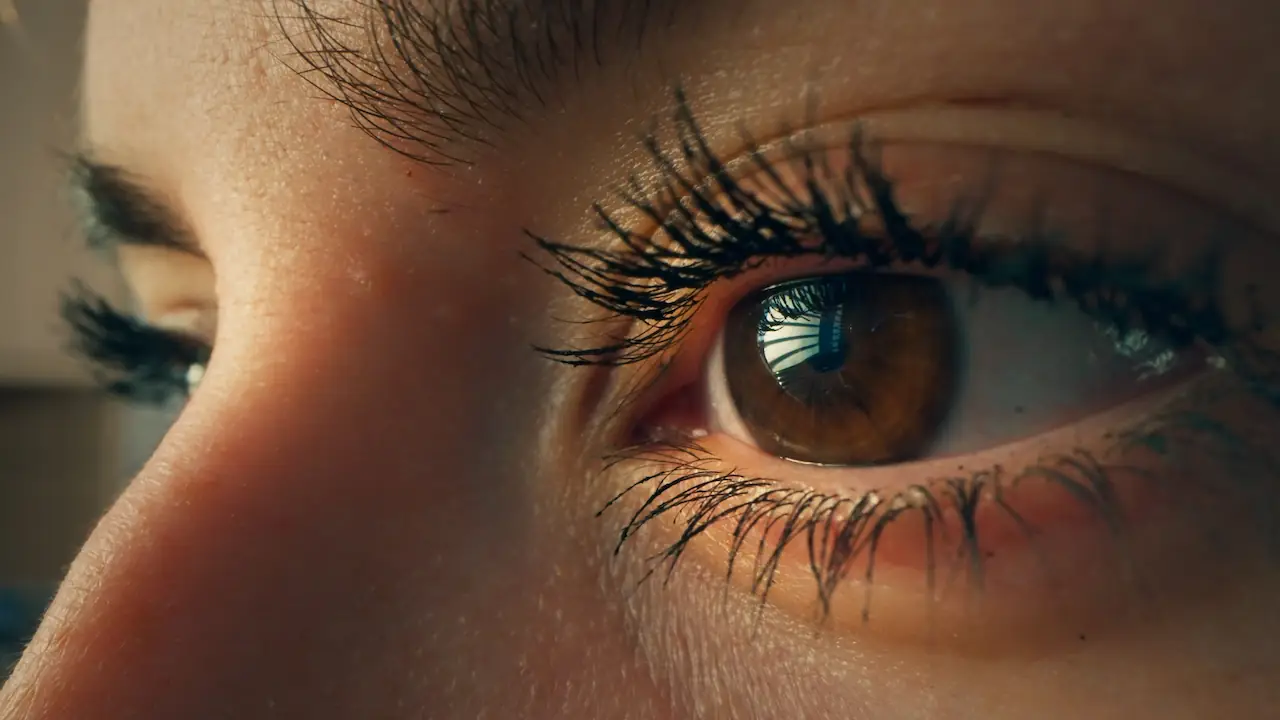
You’ve spent decades relying on your eyes to navigate the world—driving to your favorite spots around Fort Worth, enjoying time with family in Southlake, or catching the sunset from Decatur. But somewhere along the way, reading menus became a challenge, and you’re tired of juggling multiple pairs of glasses. If you’re over 50 and considering vision correction, you’ve probably heard about LASIK and RLE (Refractive Lens Exchange). The question isn’t just which procedure works—it’s which one lets you reclaim the visual freedom you deserve.
At Alliance Vision Institute, we help patients across Fort Worth, DFW, Southlake, Decatur, and Northlake make this decision with clarity and confidence. Let’s break down what makes each procedure different, why age matters more than you might think, and how to determine which path is right for your eyes.
Understanding Vision Changes After 50
Your eyes have been working hard for five decades. By the time you reach 50, several natural changes have likely occurred—and understanding them is key to choosing the right procedure.
Presbyopia: The Reading Glass Reality
Around age 40-45, your eye’s natural lens loses its flexibility. This condition, called presbyopia, makes it increasingly difficult to focus on close objects. You might notice yourself holding menus at arm’s length or struggling with small print. LASIK, while excellent for distance vision, doesn’t address presbyopia. In fact, most LASIK patients eventually need reading glasses after age 45—a limitation that becomes more pronounced as you age.
Cataracts and Lens Degradation
By 50, your natural lens isn’t just losing flexibility—it’s beginning to cloud. Cataracts develop gradually, often without noticeable symptoms at first. LASIK cannot prevent or treat cataracts because it works on your cornea, not your lens. If you develop cataracts after LASIK, you’ll eventually need cataract surgery anyway, meaning two separate procedures over your lifetime.
Corneal Changes and Stability
Your cornea—the clear front surface of your eye—becomes less predictable with age. Corneal thickness can decrease, and the cornea’s shape may shift slightly. This is why LASIK candidates need stable prescriptions (unchanged for at least one year). For patients over 50 with changing prescriptions, this requirement becomes a significant barrier.
Why RLE Is Transforming Vision Correction for Patients Over 50
Refractive Lens Exchange addresses the root cause of age-related vision problems: your natural lens. By replacing your cloudy, inflexible lens with a premium intraocular lens (IOL), RLE solves multiple vision challenges in a single procedure.
The All-Distance Vision Advantage
Unlike LASIK, which typically corrects distance vision while leaving you dependent on reading glasses, RLE with premium IOLs can correct your vision at all distances—near, intermediate, and far. Advanced multifocal and extended depth-of-focus lenses allow you to read a menu, see your phone clearly, and enjoy sharp distance vision without glasses. This comprehensive correction is why RLE is increasingly the procedure of choice for active patients over 50.
Cataract Prevention and Future-Proofing
When you choose RLE, you’re replacing your natural lens before cataracts become a problem. This means you’ve eliminated the most common age-related eye condition and won’t need cataract surgery later. For patients in their 50s and 60s, this is a game-changer—you’re investing in decades of clear vision without the worry of future lens-related issues.
Correcting Multiple Refractive Errors Simultaneously
RLE works beautifully for patients with myopia (nearsightedness), hyperopia (farsightedness), astigmatism, or a combination of these. Your surgeon can select an IOL specifically designed to address your unique prescription, providing more precise correction than LASIK alone.
The Recovery and Results Timeline
RLE typically takes 10-15 minutes per eye, with most patients experiencing improved vision within 24-48 hours. Full stabilization occurs within 4-6 weeks. While this is slightly longer than LASIK recovery, the comprehensive vision correction makes it worthwhile for most patients over 50.
LASIK: Still a Strong Option—But With Important Limitations for Aging Eyes
LASIK remains an excellent procedure, particularly for younger patients with healthy corneas and stable prescriptions. However, for patients over 50, several limitations become increasingly relevant.
When LASIK Makes Sense After 50
If you’re over 50 but have excellent corneal health, a stable prescription, and realistic expectations about reading glasses, LASIK can still work. The procedure is quick (15-20 minutes per eye), recovery is rapid (vision stabilizes within 3-7 days), and the results are durable. Some patients choose monovision LASIK—correcting one eye for distance and one for near vision—though this approach requires an adjustment period and isn’t ideal for everyone.
The Reading Glasses Reality
Here’s the honest truth: most LASIK patients over 45 will need reading glasses for detailed work, regardless of their initial prescription. This isn’t a failure of the procedure—it’s simply the reality of presbyopia. If you’re hoping to eliminate all glasses, LASIK alone won’t deliver that outcome.
Corneal Considerations
LASIK reshapes your cornea, which means it requires adequate corneal thickness and stability. If your cornea is thin, irregular, or your prescription has shifted in recent years, you may not be a candidate. Additionally, LASIK doesn’t prevent cataracts, so you could face cataract surgery down the road—a second major eye procedure.
The Alliance Vision Institute Advantage: Expert Guidance for Your Unique Eyes
Choosing between RLE and LASIK isn’t a one-size-fits-all decision. At Alliance Vision Institute, our experienced surgeons evaluate your corneal health, lens clarity, prescription stability, and lifestyle goals to recommend the procedure that’s right for you.
We serve patients across Fort Worth, DFW, Southlake, Decatur, and Northlake with advanced diagnostic technology and personalized care. Whether you’re an active golfer in Southlake who needs sharp vision at all distances, a professional in Fort Worth managing presbyopia, or someone in Decatur ready to eliminate glasses for good, we’ll help you make an informed decision.
Which Procedure Is Right for You? A Decision Framework
Choose RLE if you:
- Are over 50 (or approaching 50 with presbyopia concerns)
- Want to correct vision at all distances without glasses
- Have early signs of cataracts or a family history of cataracts
- Have a changing prescription or thin corneas
- Value long-term vision stability and cataract prevention
- Are willing to invest in premium IOL technology for comprehensive vision correction
Choose LASIK if you:
- Are under 50 with a stable prescription
- Have excellent corneal health and adequate thickness
- Are comfortable using reading glasses for near vision
- Want the fastest recovery time
- Prefer a less invasive procedure
- Have realistic expectations about presbyopia
Consider a Hybrid Approach:
Some patients benefit from combination strategies. For example, RLE in one eye (for near and intermediate vision) paired with LASIK in the other (for distance) can provide excellent results. Your surgeon can discuss whether this approach suits your needs.
Premium IOL Options: Maximizing Your RLE Results
If you choose RLE, understanding your IOL options helps you get the most from your investment.
Multifocal IOLs
These lenses have multiple zones that allow your eye to focus at different distances. They’re excellent for patients who want to minimize glasses dependence, though some experience mild halos or glare in low light.
Extended Depth-of-Focus (EDOF) IOLs
EDOF lenses provide a continuous range of clear vision from near to far, with fewer visual side effects than traditional multifocals. They’re an excellent choice for patients who want natural vision quality.
Toric IOLs
If you have astigmatism, toric IOLs correct this refractive error during lens replacement, providing sharper overall vision.
Your surgeon will recommend the IOL that best matches your prescription, lifestyle, and visual priorities.
Light Adjustable Lens (LAL)
The Light Adjustable Lens is an innovative premium IOL that can be fine-tuned after surgery using a special ultraviolet light treatment. This allows your surgeon to optimize your vision during the healing process, making adjustments based on how your eye heals and your visual needs. LALs offer exceptional flexibility in achieving your desired vision outcome and can be customized for distance, near, or intermediate vision priorities. This technology is ideal for patients who want personalized precision in their vision correction.
Recovery Expectations: What to Anticipate After Your Procedure
RLE Recovery Timeline
- Day 1: Vision improves noticeably; mild discomfort is normal
- Week 1: Most patients return to light activities; vision continues improving
- Weeks 2-4: Vision stabilizes further; you can resume most normal activities
- Weeks 4-6: Full stabilization; final prescription is determined
LASIK Recovery Timeline
- Day 1: Vision improves dramatically; mild dryness is common
- Days 3-7: Vision stabilizes; most patients return to work
- Weeks 2-4: Full healing; any residual dryness typically resolves
Both procedures require careful post-operative care, including prescribed eye drops and follow-up appointments. Your surgeon will provide detailed instructions to ensure optimal healing.
Cost Considerations: Understanding Your Investment
Cost is a legitimate concern when choosing between procedures. Here’s what you should know:
LASIK typically ranges from $2,000-$3,500 per eye, depending on technology and surgeon experience. This is often the more affordable upfront option.
RLE generally costs $3,500-$5,000 per eye, reflecting the advanced IOL technology and the comprehensive vision correction it provides. However, when you factor in the elimination of future cataract surgery and the decades of glasses-free vision, many patients find RLE to be the better long-term investment.
Insurance typically doesn’t cover either procedure, as both are considered elective. However, if cataracts develop after LASIK, cataract surgery may be partially covered—an important distinction when calculating lifetime costs.
Real-World Outcomes: What Patients Experience
While individual results vary, here’s what most patients report:
RLE patients over 50 frequently describe newfound freedom—reading menus without glasses, enjoying sharp vision while golfing or driving, and appreciating the peace of mind that comes with cataract prevention. The adjustment to multifocal vision typically takes 1-2 weeks, after which most patients wouldn’t trade their results for anything.
LASIK patients over 50 appreciate the quick recovery and sharp distance vision, but many acknowledge that reading glasses remain a necessity. For some, this is an acceptable trade-off; for others, it’s a limitation they wish they’d understood better beforehand.
Frequently Asked Questions
Can I have LASIK and then RLE later if I’m not satisfied?
Yes, though LASIK changes your cornea shape, which your surgeon must account for during RLE. It’s possible but adds complexity. This is why choosing the right procedure initially is important.
Will RLE feel different from my natural lens?
Most patients adapt within 1-2 weeks. Modern IOLs are designed to function naturally, and your brain quickly adjusts to the new visual input.
Is RLE considered cataract surgery?
RLE is similar to cataract surgery in technique, but it’s performed on a clear lens before cataracts develop. This is why it’s sometimes called “refractive cataract surgery.”
What if my prescription changes after RLE?
Minor changes can sometimes be addressed with LASIK on top of RLE, though this is less common. Your surgeon will discuss this possibility during your consultation.
How long do the results last?
RLE results are permanent—your IOL won’t change. LASIK results are also permanent, though presbyopia will continue to progress naturally with age.
Am I too old for vision correction surgery?
Age alone isn’t a barrier. What matters is your overall eye health. We’ve successfully performed both procedures on patients in their 70s and beyond.
Take the Next Step Toward Visual Freedom
Whether you’re leaning toward RLE or LASIK, the best decision comes from a comprehensive evaluation by an experienced surgeon who understands your unique eyes and lifestyle. At Alliance Vision Institute, we’re committed to helping you see clearly—and to live the active, glasses-free life you deserve.
Ready to explore your options? Schedule a consultation at one of our convenient locations in Fort Worth, DFW, Southlake, Decatur, or Northlake. During your visit, we’ll perform advanced diagnostics, discuss your vision goals, and recommend the procedure that’s right for you.
Your clearer future is just one appointment away.